



South China Sea Guanyin Stone Carvings

Guanyin Statue
Guanyin Bodhisattva is one of the four great bodhisattvas in Chinese Buddhism. According to legend, his birthday is on the 19th day of the second lunar month, the day of enlightenment is on the 19th day of the sixth lunar month, and the day of Nirvana is on the 19th day of the ninth lunar month. It is said that the Taoist temple is Mount Putuo. The belief in Guanyin has had a profound influence in China, leading to various folk legends about Guanyin Bodhisattva, such as the widely circulated belief that Guanyin is Princess Miaoshan, the third princess of King Miaozhuang of Xinglin Kingdom. This kind of female Guanyin legend can first be seen in Zhu Ben's "Qu Yu Jiuwen" during the Song Dynasty. Afterwards, Guan Daosheng's biography "Biography of Guanyin Bodhisattva" became a complete biography during the late Song and early Yuan dynasties.

Guanyin Statue
Guanyin Bodhisattva is one of the four great bodhisattvas in Chinese Buddhism. According to legend, his birthday is on the 19th day of the second lunar month, the day of enlightenment is on the 19th day of the sixth lunar month, and the day of Nirvana is on the 19th day of the ninth lunar month. It is said that the Taoist temple is Mount Putuo. The belief in Guanyin has had a profound influence in China, leading to various folk legends about Guanyin Bodhisattva, such as the widely circulated belief that Guanyin is Princess Miaoshan, the third princess of King Miaozhuang of Xinglin Kingdom. This kind of female Guanyin legend can first be seen in Zhu Ben's "Qu Yu Jiuwen" during the Song Dynasty. Afterwards, Guan Daosheng's biography "Biography of Guanyin Bodhisattva" became a complete biography during the late Song and early Yuan dynasties.
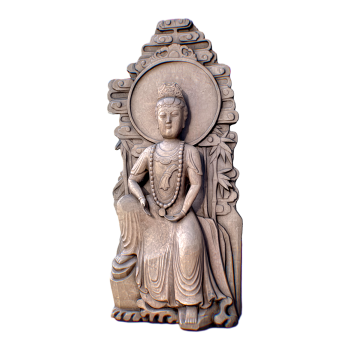
【 Wood Carving 】 Avalokitesvara Bodhisattva (3D printable)
Avalokitesvara Bodhisattva, also known as Avalokite ś vara in Sanskrit, is a transliteration of the Sanskrit word Avalokite ś vara. It is also translated as "Avalokitesvara" or "Avalokitesvara" and transliterated as "Avalokitesvara" or "Avalokitesvara". Amitabha Buddha's left attendant, one of the "Three Saints of the West". Buddhism believes that Avalokitesvara Bodhisattva is a compassionate and benevolent bodhisattva. When suffering beings recite his name, the Bodhisattva immediately observes his voice and goes to save and liberate them, hence the name. During the Tang Dynasty, due to the taboo of using the name of Emperor Taizong Li Shimin, the character "shi" was removed and he was briefly referred to as "Guanyin".

Double Child Guanyin Statue Ornament Old Style Desktop Fortune Attraction Colorful Gilded Buddha Statue

Lotus Terrace Thousand Hand Guanyin Stone Carving Sculpture
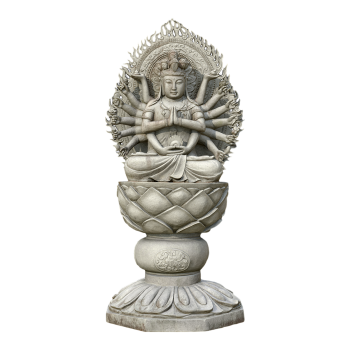
Thousand-Hand Guanyin Statues
Thousand-handed Guanyin is an image of Guanyin Bodhisattva in Buddhism, depicted as Guanyin Bodhisattva with many hands. Each pair has the power of the eyes to control everything, symbolizing the wisdom and compassion of Guanyin Bodhisattva. Avalokiteshest is widely depicted in Buddhist art, especially in temples and works of art in China, Japan, and other East Asian countries. This image is widely worshipped and believed, and is regarded as a symbol of saving all living beings and eliminating the suffering of all living beings.

Popular Models
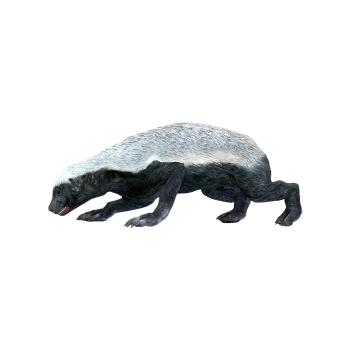
Honey Badger (3D animated model)
192 View
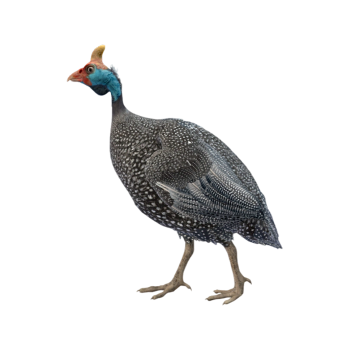
Guinea fowl (3D animated model)
163 View
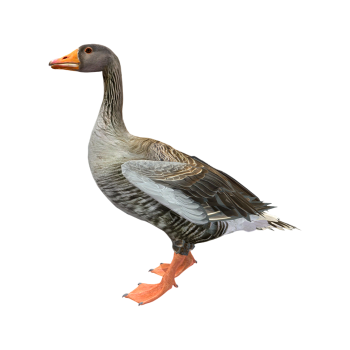
Wild Goose (3D animated model)
185 View
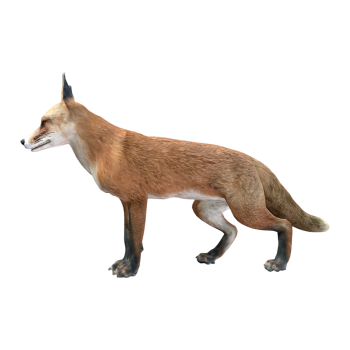
Red Fox (3D animated model)
153 View
Random Model

Honda Civic Tour Racing
801 View



Korean Street Fire Hydrants
1150 View


Ancient Greek spherical wine bottle
843 View

Russian PP-19-01Vitiaz submachine gun
2155 View